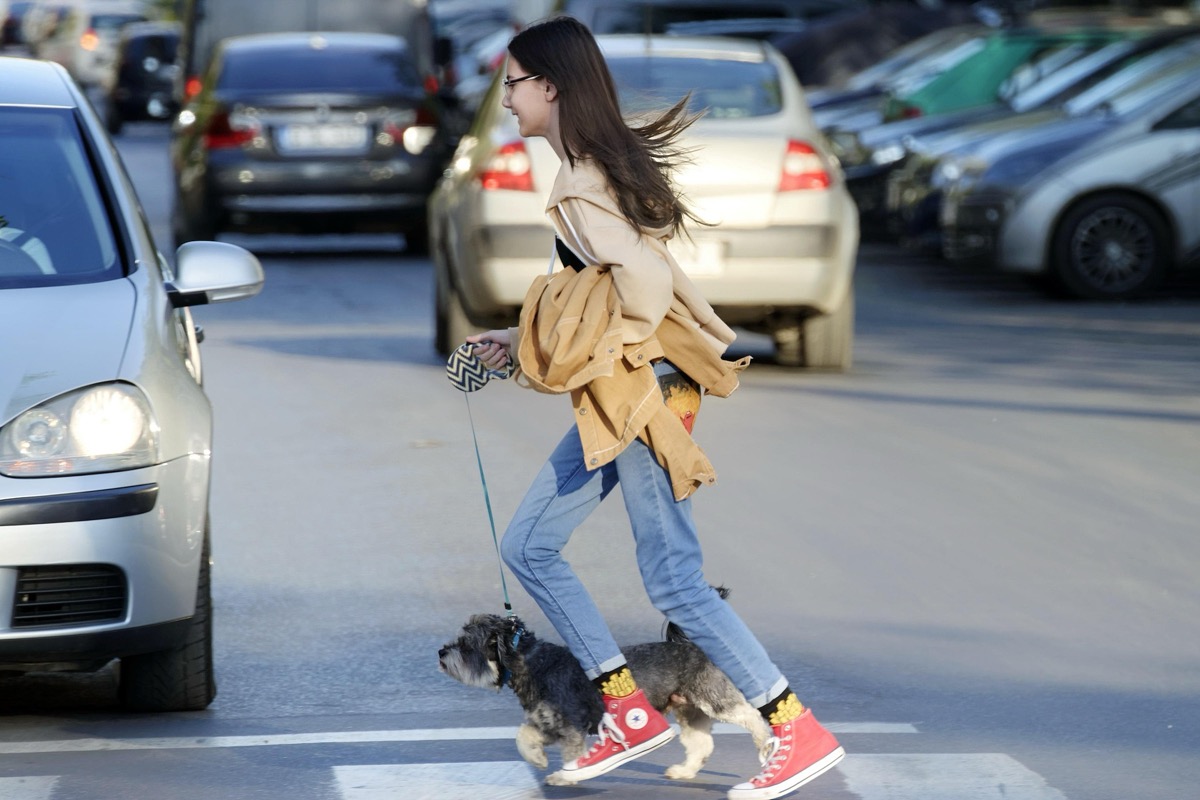
Living in Santa Rosa is a dream for most dog owners. We have a front-row seat to Sonoma County, where the paved urban spots like Courthouse Square lead right into the dry, golden hills of the Mayacamas. To live here with a dog is to embrace a specific outdoor culture. One day you're grabbing coffee at the Farmers Market near the Luther Burbank Center, and the next you're hiking the ridge lines at Trione-Annadel State Park. But this mix of environments, city corridors and quiet, deer-heavy woods in Bennett Valley, demands a lot from a pet. Dog training in Santa Rosa isn't just about teaching "sit" or "stay." It's about building a partner that can handle the North Bay without losing its cool.
The Social Reality of a North Bay Dog
A well-behaved dog starts in the neighborhoods where the suburbs meet the wild edges. Whether you're in a Junior College bungalow, a ranch-style home in Rincon Valley, or a new build in Kawana Springs, your first move is socialization. Around here, that means more than just meeting other pups. It means teaching your dog to ignore a wild turkey wandering across a Fountaingrove lawn, stay calm when a cyclist flies past on the Joe Rodota Trail, and keep focus while the smell of rotisserie chicken hits them on a Fourth Street patio. When a dog can handle these distractions, they get to be part of your life instead of being stuck at home.
For most locals, the real test of puppy training in Santa Rosa happens at Spring Lake Regional Park. It's the city's communal backyard, and between the water, the paved loops, and the dirt paths, it's a sensory explosion. A dog with a local education knows that a Canada Goose at the lagoon isn't an invitation to bolt. They know that passing another leashed dog on a narrow, shaded path requires a quick "leave it" rather than a lunge. People often struggle with leash tension here, but the trick is engagement. You have to be more interesting than the geese. Practice focus drills near the Howarth Park boathouse. If your dog can listen while the miniature train whistles and kids are screaming, they can listen anywhere.
Downtown, the rules change. A walk through Railroad Square or a stop at a dog-friendly tasting room requires a solid "settle." In our lifestyle, we spend a lot of time at tables, maybe a pint at Russian River Brewing Company or a morning caffeine hit at a local cafe. A dog that can tuck its paws under the table and nap for an hour is welcome everywhere. This passive skill is often ignored for flashy tricks, but in Santa Rosa, the ability to do nothing is the best thing a dog can learn. It turns a liability into a companion.
Trails, Turkeys, and Tail-Wags
Once you hit the trails at Annadel or Taylor Mountain, Santa Rosa dog training becomes a matter of safety. We have a responsibility to the local hills, which means respecting leash laws to protect birds and wildlife. But even on a leash, an "emergency stop" is non-negotiable. Rattlesnakes love the sun-drenched rocks on western trails, and mountain bikers appear out of nowhere on technical switchbacks. Your dog must be under total control at all times. This isn't just theory; it's how you keep your dog alive in the North Bay terrain.
Many of us live on larger lots where dogs might see livestock or predators like coyotes and foxes. Teaching a boundary or a redirection is vital if you're near the Laguna de Santa Rosa or the foothills of Mt. Taylor. You want your dog to see a jackrabbit or hear cattle and look to you rather than giving chase. This impulse control takes work, but you can use the environment to your advantage. Try proofing your dog's focus at the Sonoma County Fairgrounds during event season, the weird smells and loud noises are great practice before you head into the backcountry.
Our trails are dusty in the summer and turn into thick, clay-like mud in the winter. A dog that waits for a paw-wipe at the door or stands still for a tick-check after a run through Montgomery Village is a lot easier to live with. These small habits strengthen your bond and keep the local mud out of your living room.
Preparation for Fire Season
We have to talk about fire season. It's part of the calendar now, and training for emergencies is a necessity. A dog that is crate-trained and handles being moved by strangers is at a huge advantage. In a fast-moving evacuation, you need your dog to "load up" in the car immediately. Practice this command regularly in your driveway and at different spots around town so the behavior becomes muscle memory.
Dogs pick up on our stress, especially when the winds pick up or the sky turns orange. Training for calm during high-stress events, like sirens or the smell of smoke, is a lifesaver. Build a strong "place" command. Your dog should know their bed is a sanctuary where they stay calm no matter what's happening outside. If air quality keeps you indoors, have some mental games ready. Scent work in the hallway or hide-and-seek in the house can replace the miles you'd usually do at Spring Lake, keeping their energy managed while the smoke clears.
The goal is to make your dog a seamless part of your life here. You want a dog that is as relaxed at a Saturday "Yappy Hour" as they are on the steep trails of North Sonoma Mountain. When you put in the time to train for our specific neck of the woods, you aren't just teaching commands; you're opening up the world for them. It's a bit of work, but it pays off with every walk through the Luther Burbank Gardens and every quiet evening at a brewery on Sebastopol Road. In Santa Rosa, a trained dog is a happy dog, and an owner who can bring their pet anywhere is one who truly enjoys the valley.